Pen Hive
Fit to your taste.
Pen Hive is a modular organizer for pens and everyday stationery.
Instead of treating a pen holder as a single container, it gives each
item a defined place - making what you own easier to see, reach and
arrange.
The result is not a fixed box.
It is a system that can change with the collection.
THE PROBLEM
A pen holder can hold everything and still make nothing easy to find.
Pens tend to become a cluster.
Without segmentation, every new item occupies the same shared space.
Finding one means reaching into the others, moving them around and
searching through the group.
The holder technically stores the pens.
It does not necessarily organize them.
- 01MESSY
Without dedicated spaces, pens become an indistinguishable cluster.
- 02INACCESSIBLE
Finding one item means disturbing the others.
- 03HARD TO CLEAN
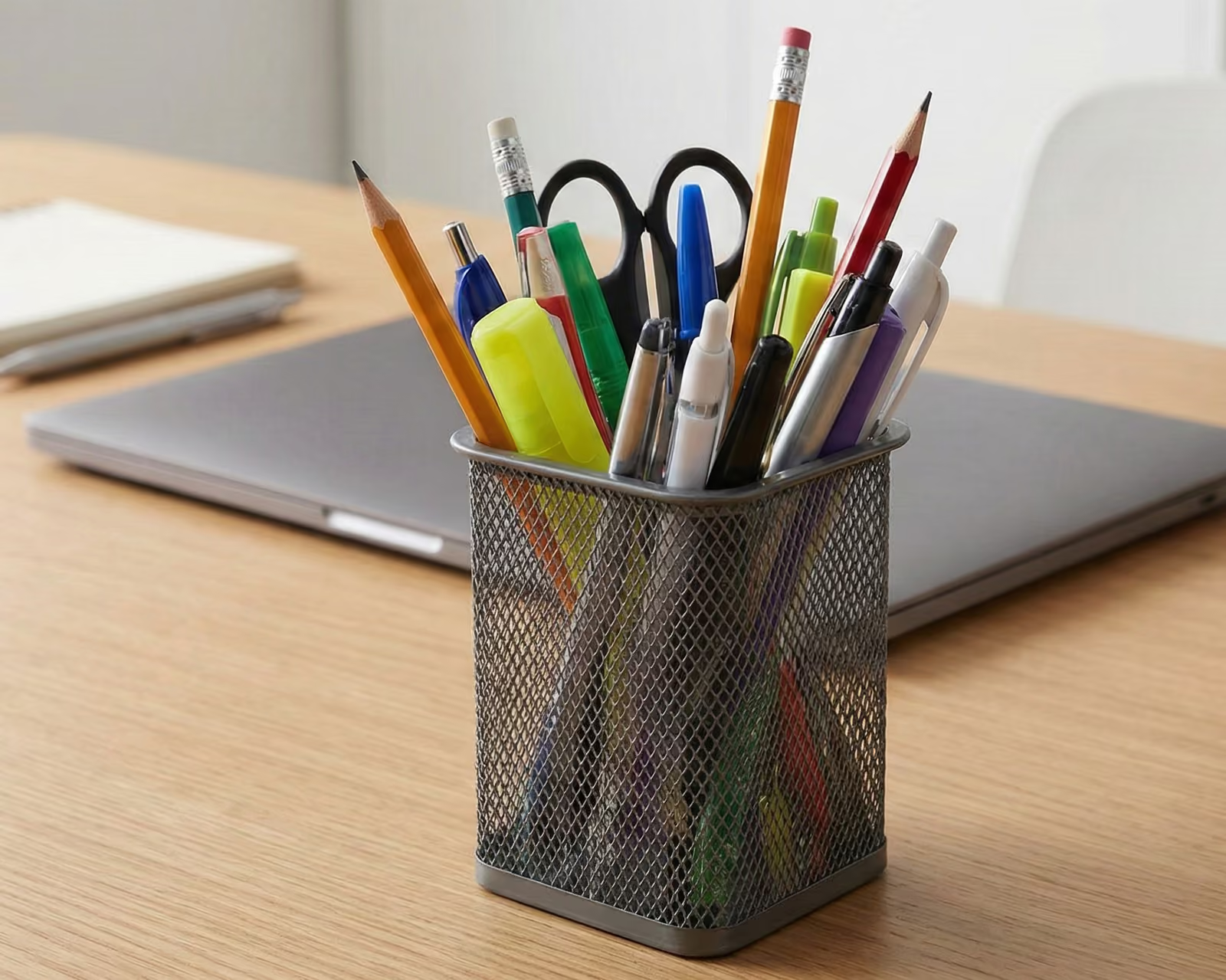
Hard edges, deep bottoms and mesh patterns create places where dust and
debris collect. - 04UNSTABLE
Lightweight holders with small bases can become unstable when filled
with heavier stationery.
THE FIRST IDEA
Give every object a place.
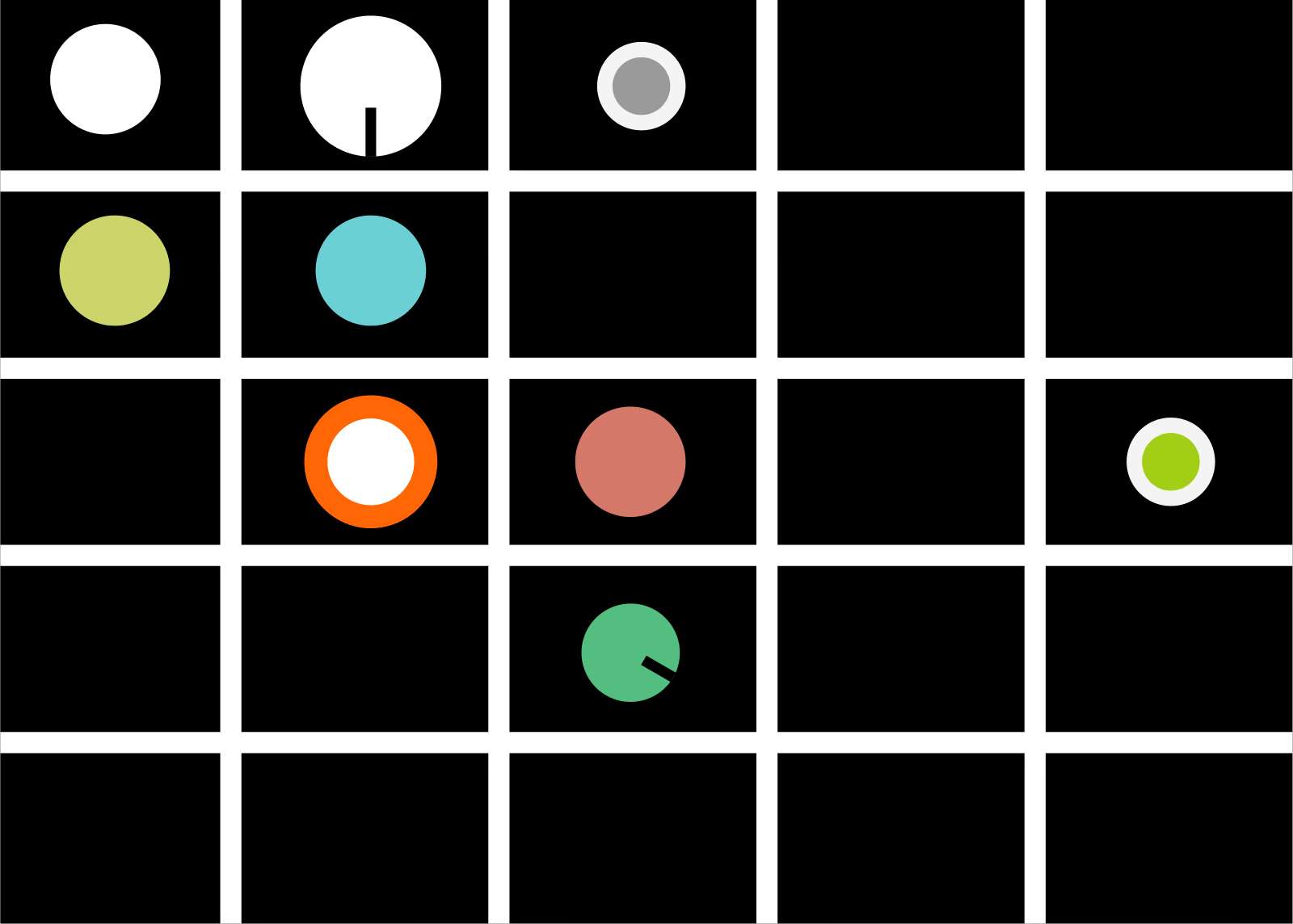
The first response was simple:
separate the objects.
Each pen gets its own space.
That makes the collection easier to identify, easier to access and
easier to arrange.
Three principles follow:
- 01SEEEvery item remains visually identifiable.
- 02ACCESSEvery item can be reached without digging through the cluster.
- 03ADAPTThe organizer should accommodate different pen sizes and different
collections.
THE CELL
Start with the shape of the thing you are holding.
Pen diameter ≈ 10-13 mm · cell ≈ 12.5 mm
Most pens are round.
So the first cell was round too.
The target was to accommodate a variety of pen diameters, approximately
10-13 mm, with a cell size of around 12.5 mm.
The geometry made sense.
But repeating circles created another problem.
Space between the spaces.
When round cells are placed beside one another, empty areas appear
between them.
The organizer was solving one problem while creating another.
The question changed:
How do we keep the individual spaces without wasting the space between
them?
FROM CELLS TO HIVE
The geometry needed to behave as one thing.
The circles were rearranged.
The spacing was reconsidered.
The gaps were gradually smoothed into a continuous structure.
What started as a collection of individual cells became one connected
form.
- 01Individual spaces
- 02optimized arrangement
- 03continuous structure
The name Pen Hive comes from this idea: many dedicated spaces, held
together as one system.
PROTOTYPE 01
The first prototype proved the idea - and exposed its limits.
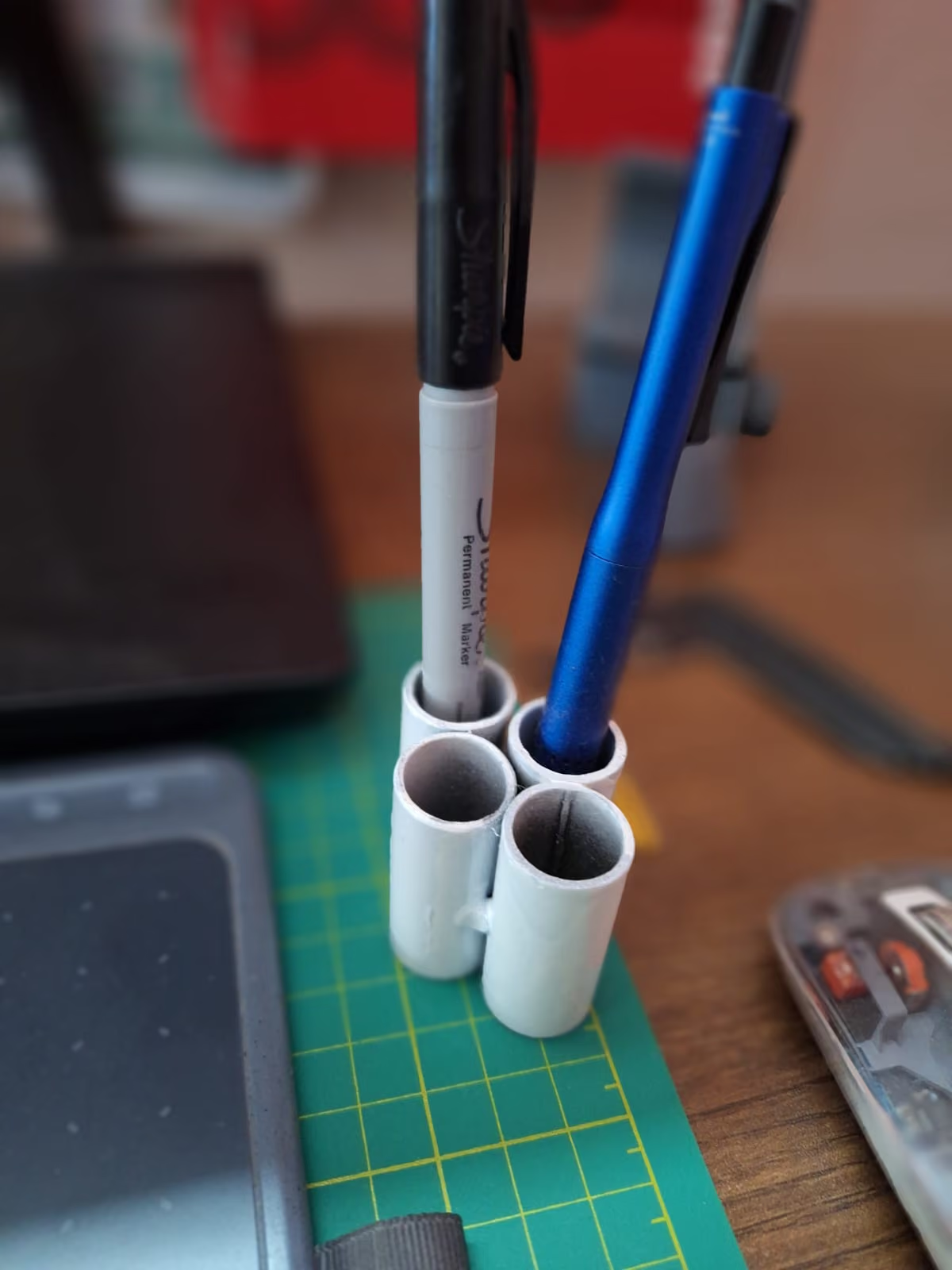
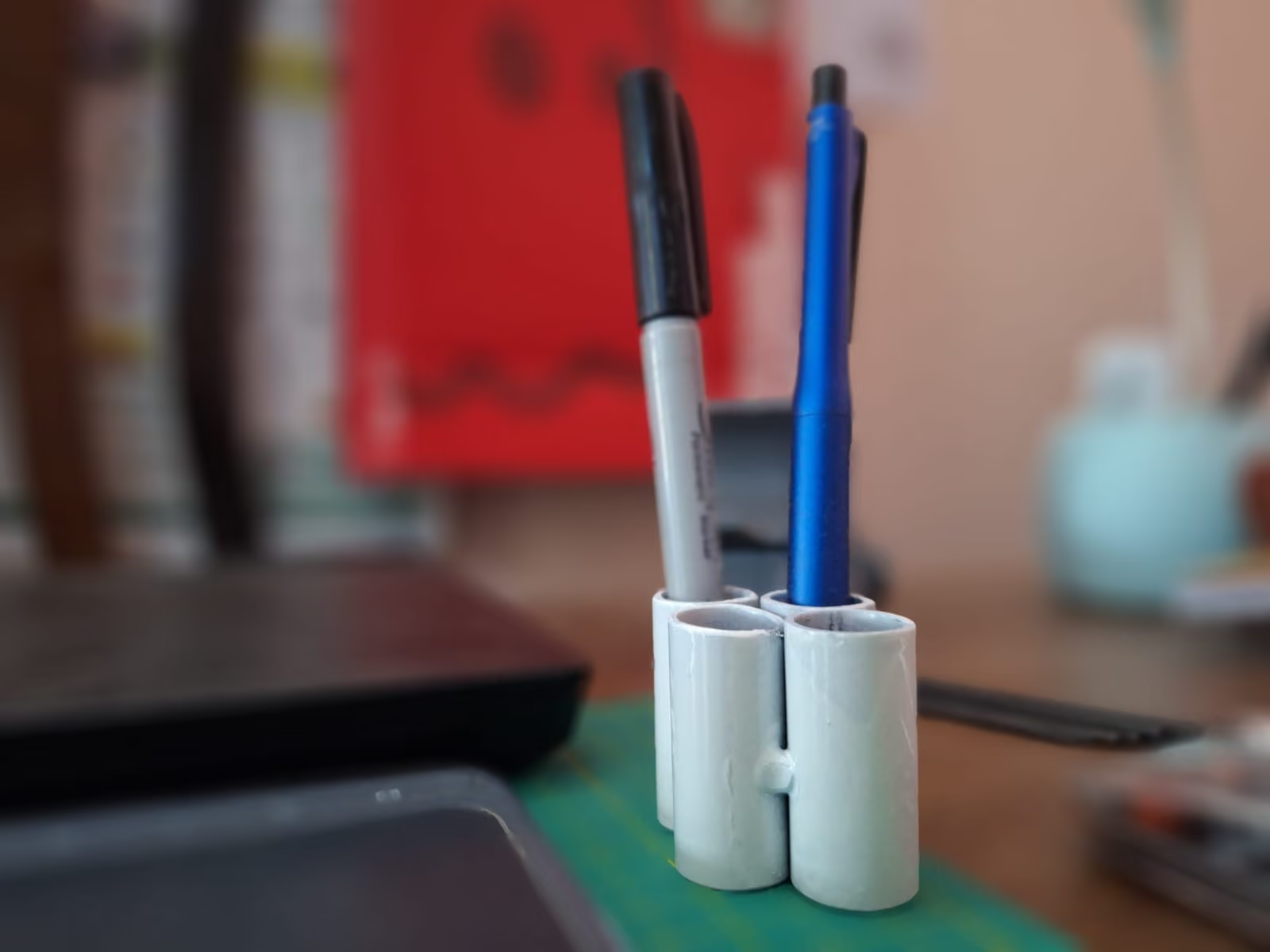
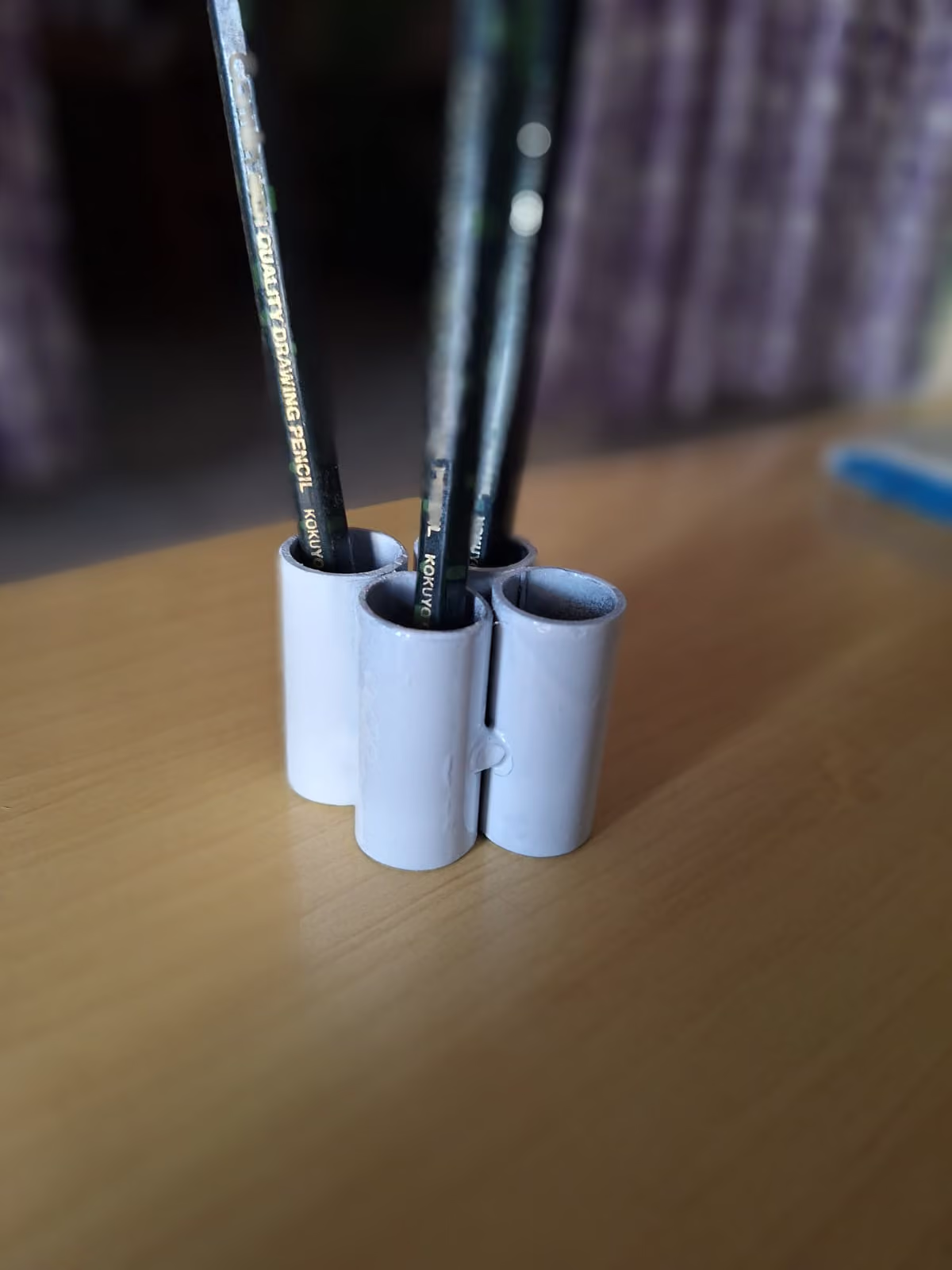
The first physical version used steel tubes.
The tubes were cut to size and welded at the seams and joints.
It worked as a segmented organizer.
But the fabrication method made the product fixed and labour-dependent.
What it revealed
approach.
The prototype was useful because it made the limitations visible.
PROTOTYPE 02
The next question was not how to make more cells.
It was how to make the cells become one structure.
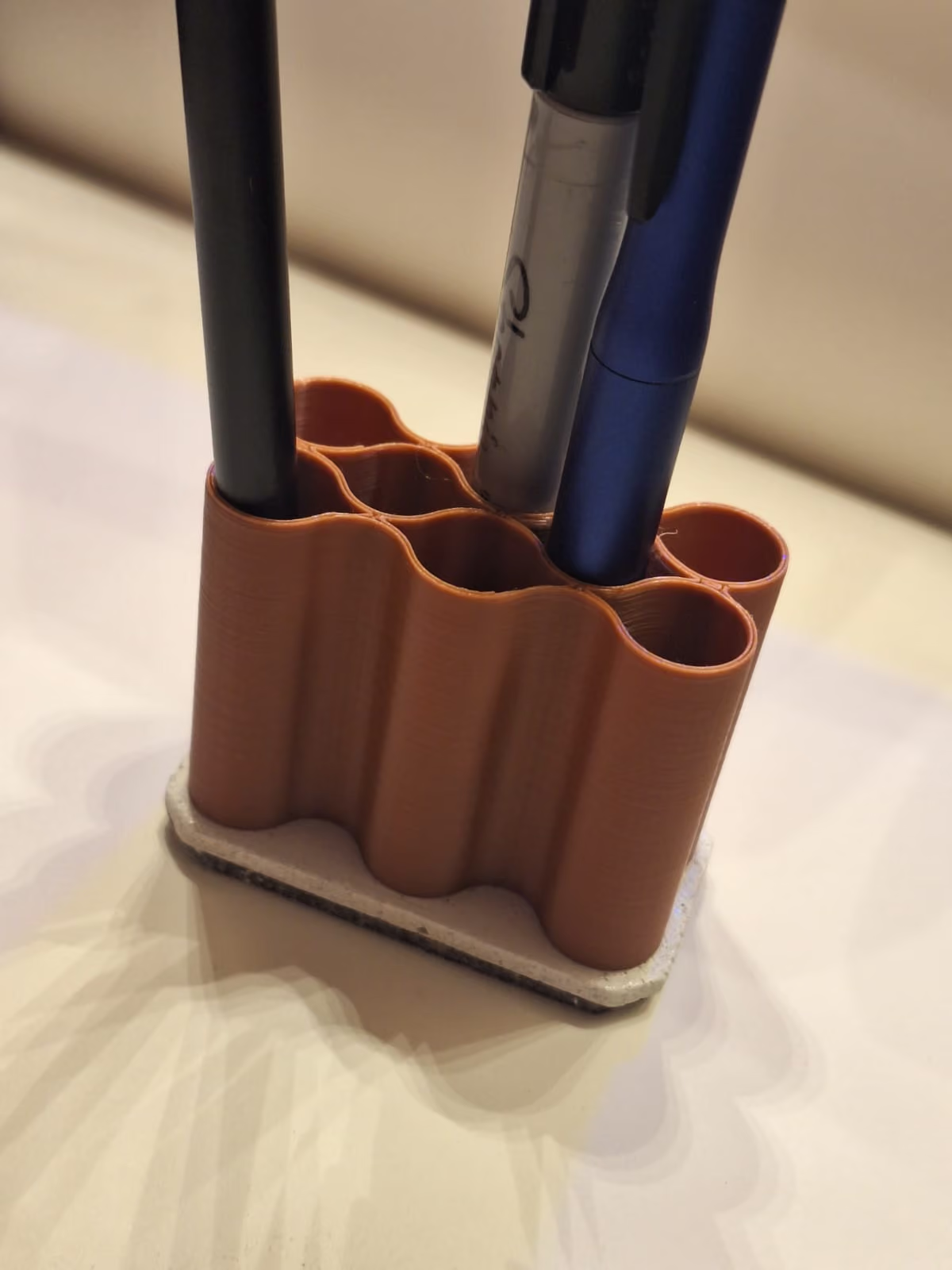
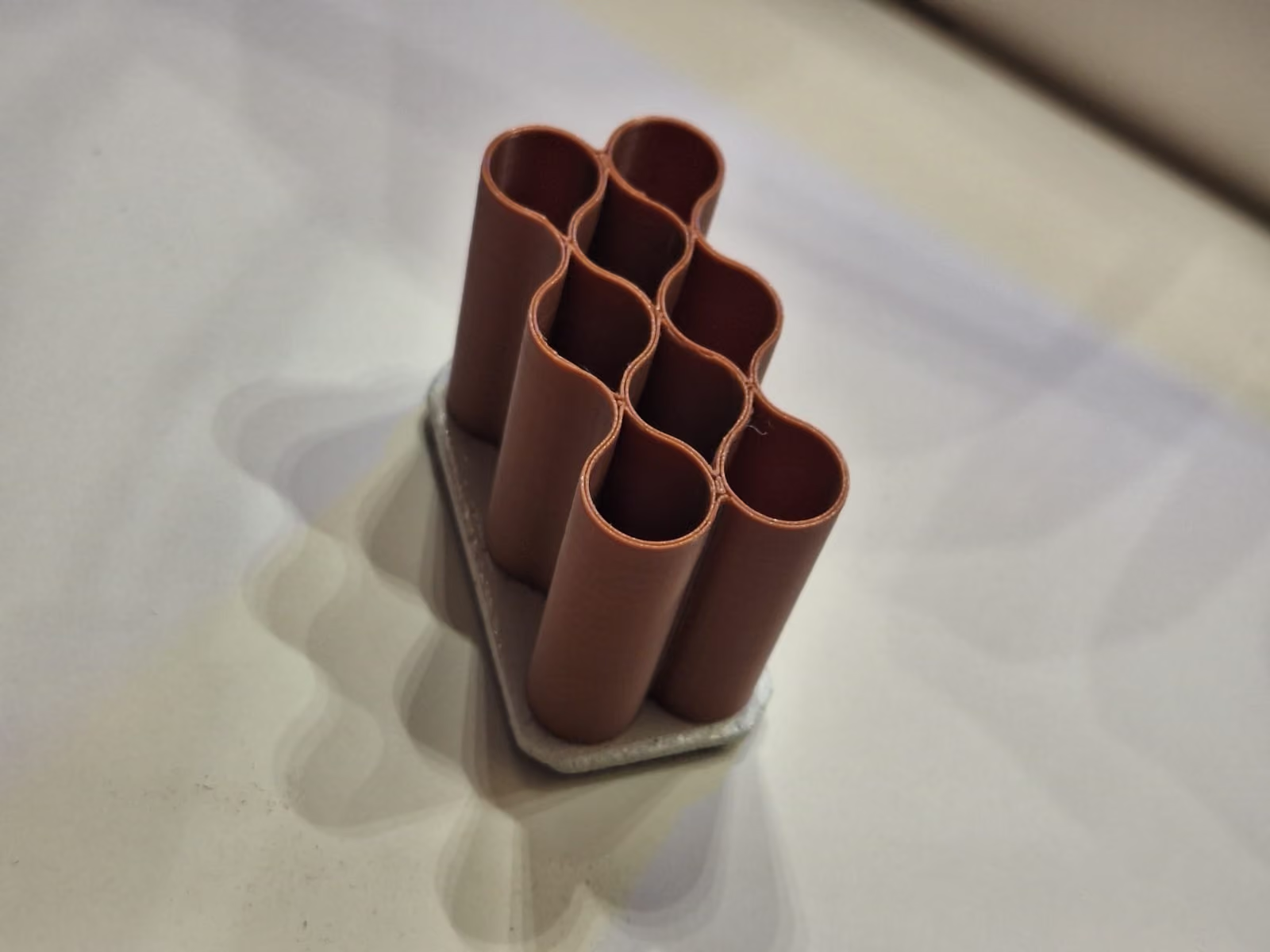
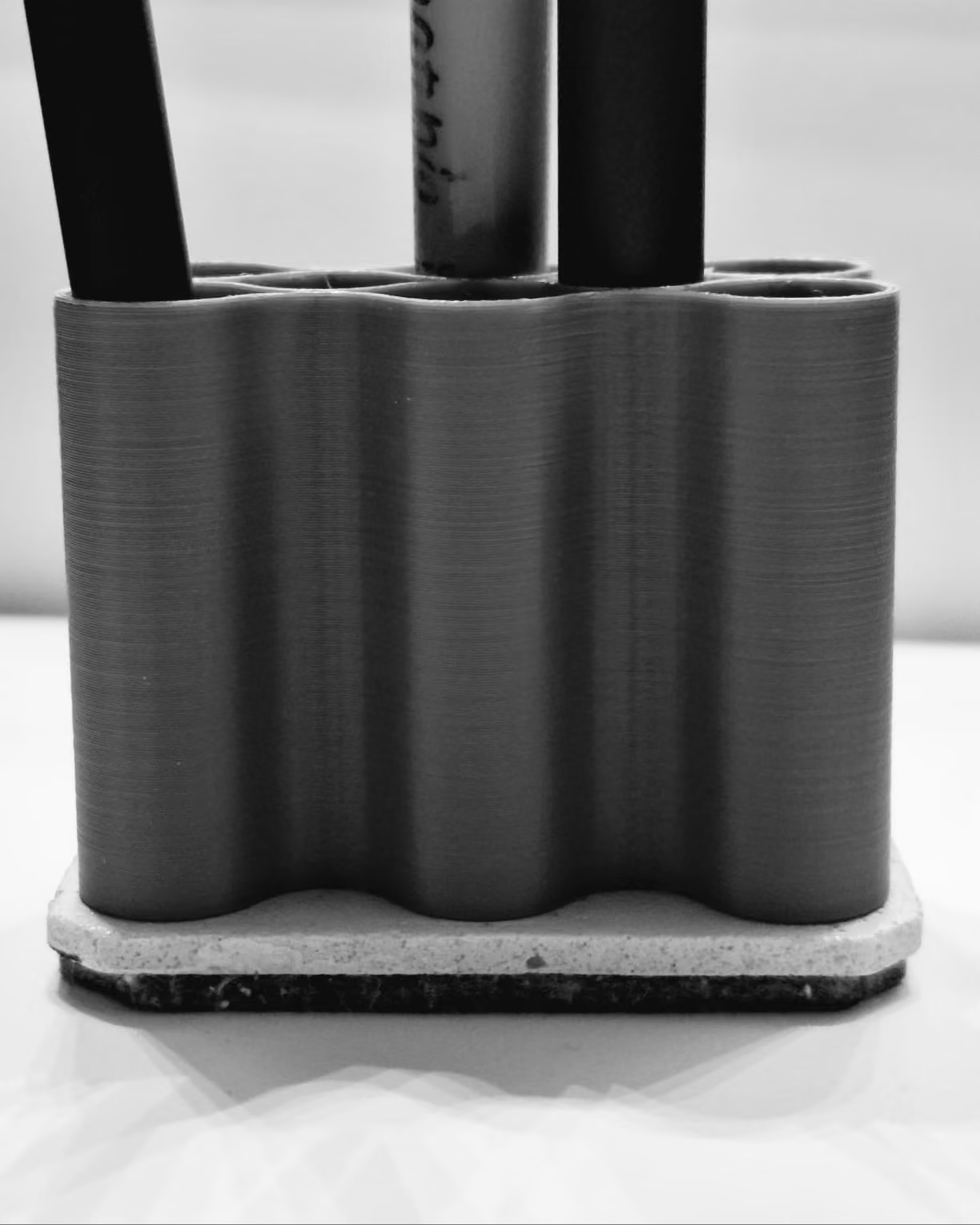
The geometry was rearranged to recover space.
The individual circular forms were brought into a continuous structure,
while the spacing was adjusted to create room for additional items.
This changed the character of the product.
It was no longer a collection of tubes.
It was becoming a repeatable profile.
FROM PRODUCT TO SYSTEM
Make the manufacturing method part of the design.
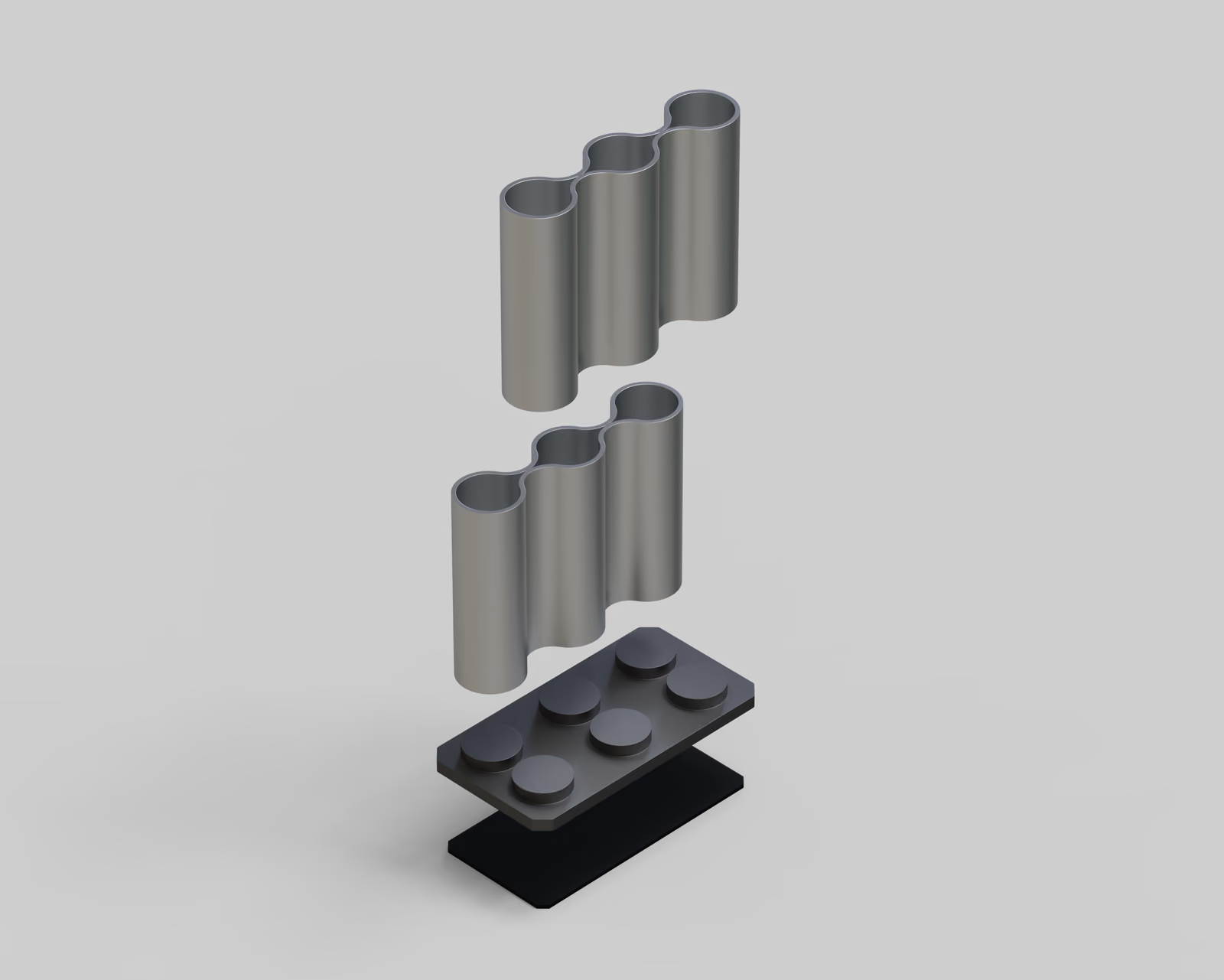
The final architecture separates the product into two fundamental parts:
- 01An extruded channelThe channel provides the repeating organizer geometry.
- 02A CNC-machined baseThe base provides the platform that supports different configurations.
This is where Pen Hive changes from a fixed object into a system.
REPEATABILITY
One profile. Many lengths.
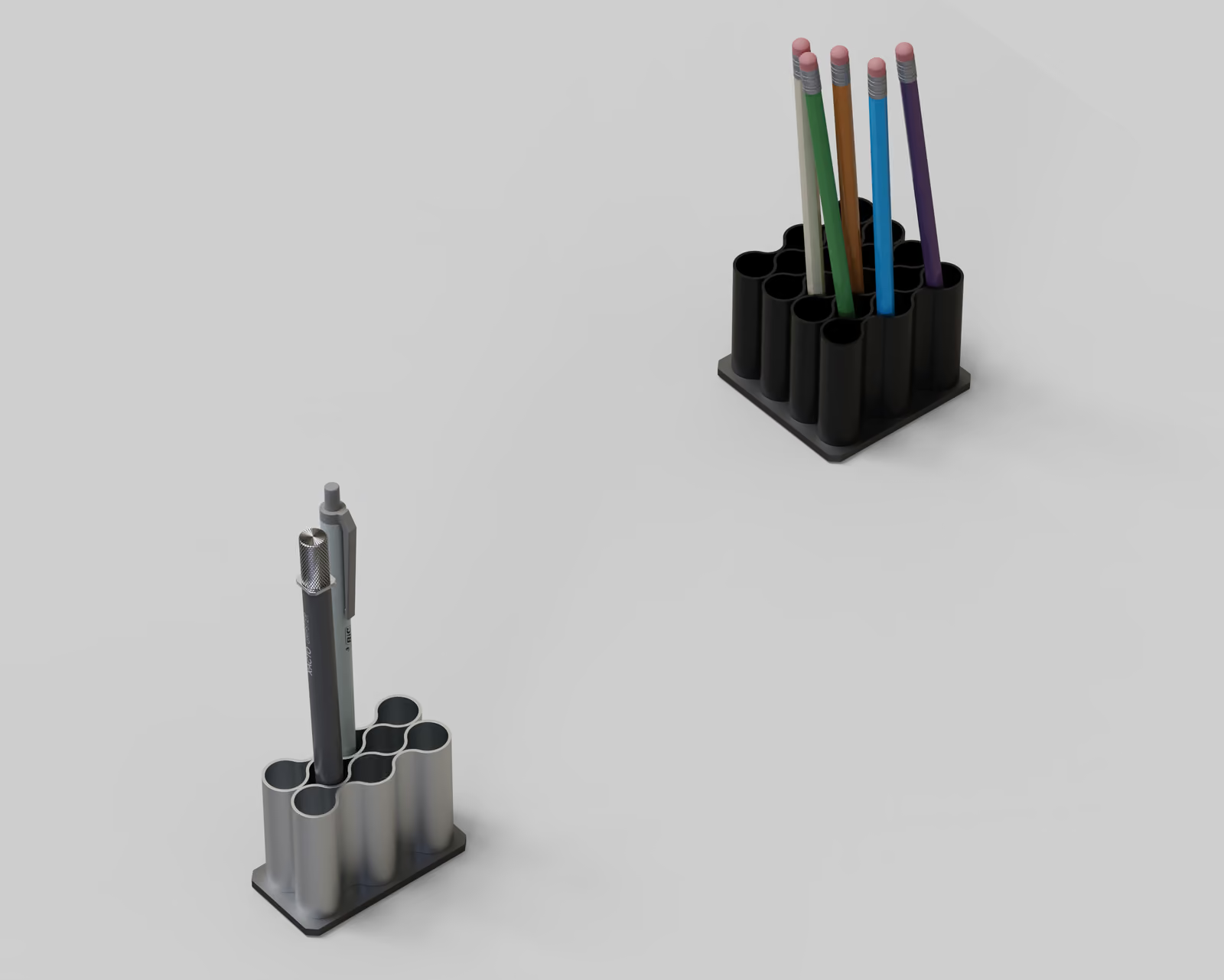
Because the organizer geometry is an extrusion, the same profile can be
produced repeatedly and cut to the required length.
The manufacturing process is no longer tied to building every organizer
as a unique assembly.
The product becomes easier to reproduce without changing the fundamental
geometry.
DESIGN FOR MANUFACTURING
The manufacturing method is not an afterthought.
The geometry and manufacturing method were developed together.
The continuous channel works as an extruded profile.
The CNC-machined base provides the supporting platform.
The result is a simpler relationship between:
- 01profile
- 02length
- 03base
- 04configuration
The design becomes easier to reason about because the way it is made is
part of the architecture.
CUSTOMIZATION
Fit the organizer to your collection.
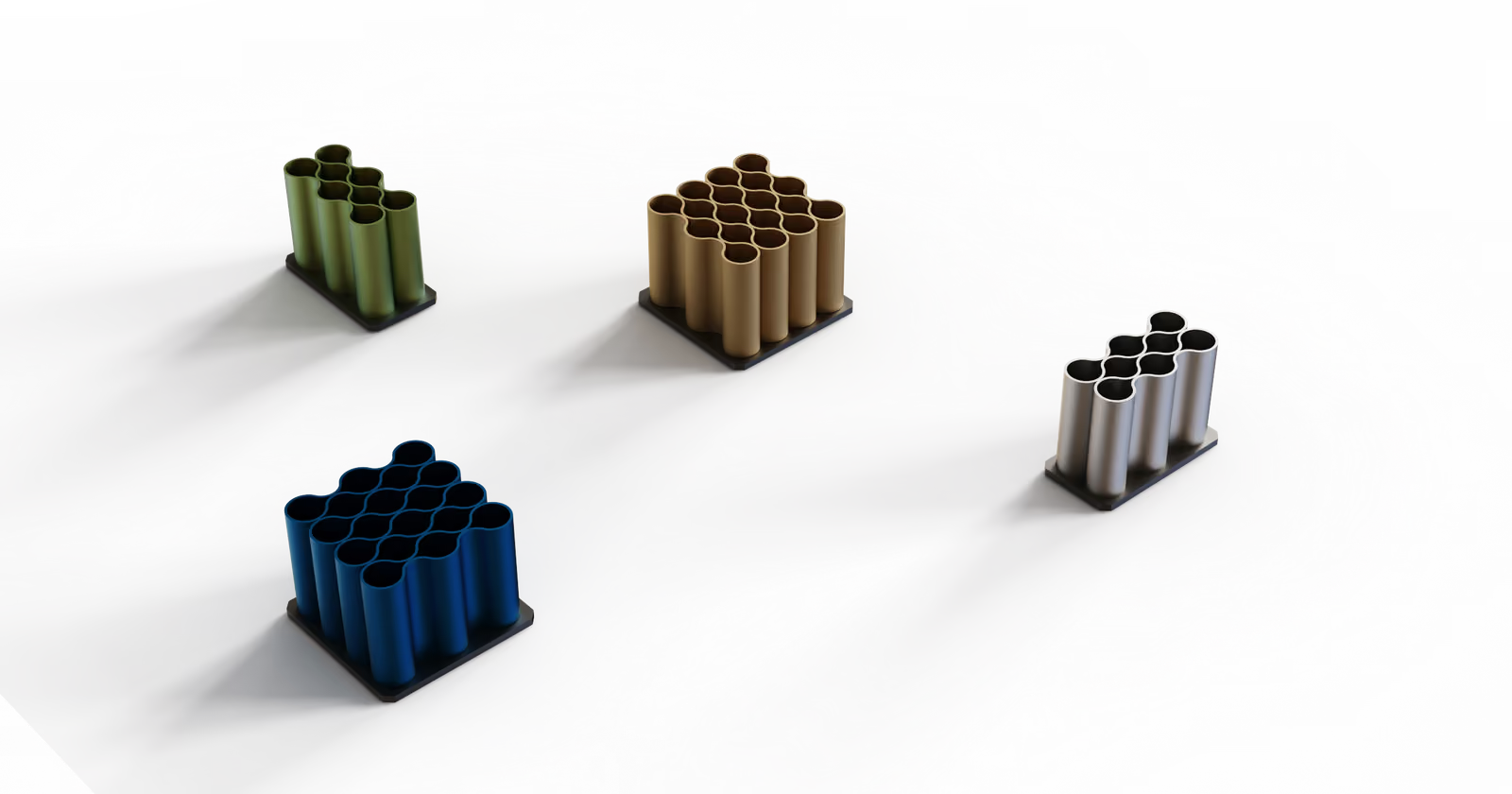
An extrusion does not need to stop at one predetermined length.
It can be cut to the required size.
- A shorter organizer for a few essentials.
- A longer one for a growing collection.
- A configuration made around what is actually used.
The organizer adapts to the collection instead of asking the collection
to adapt to the organizer.
THE RESULT
A pen organizer that does not need to be one size.
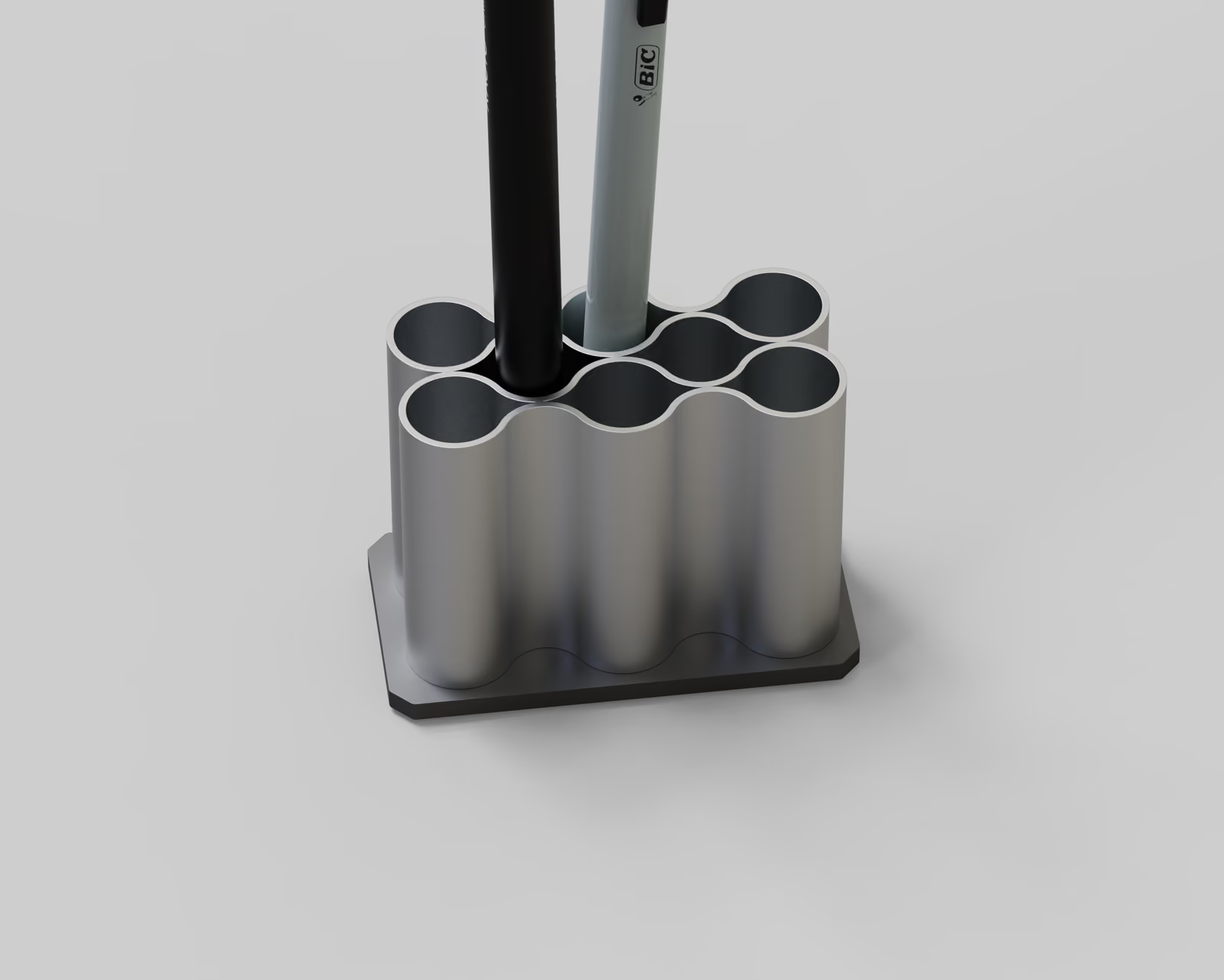
Pen Hive gives each item a place without turning the organizer into a
complicated object.
- geometrykeepsthe collection visible
- open structurekeepsaccess simple
- modular architectureallowsthe overall length to change
- manufacturing methodmakesthose variations practical
PEN HIVE
Fit to your taste.
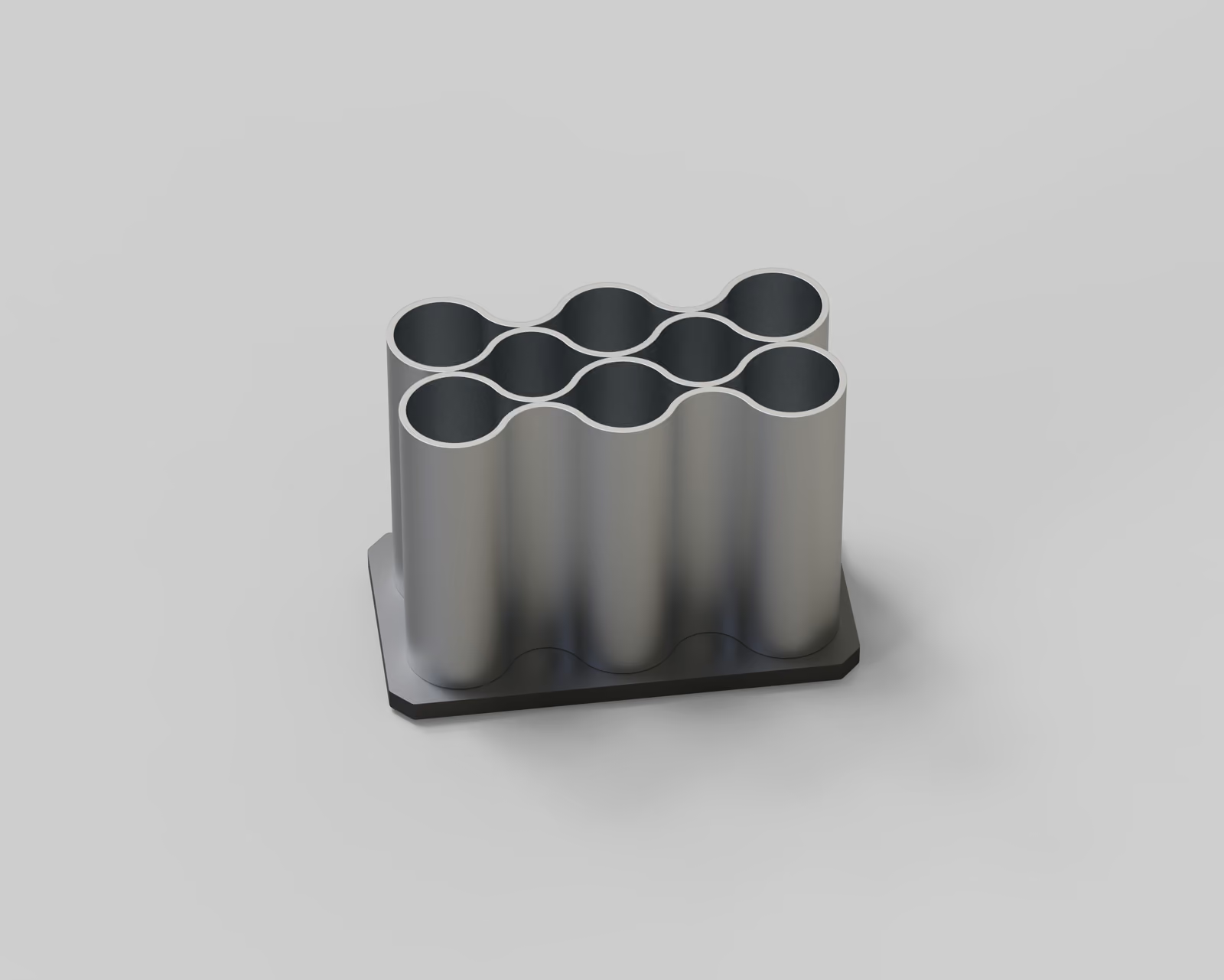
What began as a simple question - how do we stop pens becoming a
mess? - became a study in geometry and manufacturing.
- Segmentationsolvedaccess
- Geometrysolvedspace
- Prototypingexposedthe limitations
- Extrusionturnedthe solution into a repeatable system
- Customizationmadethe system useful beyond one fixed size
A simple organizer became a modular system by treating geometry and
manufacturing as one problem.